Dead Mall Archaeology: How Gen Z Is Mining Corporate Ruins for Something Real
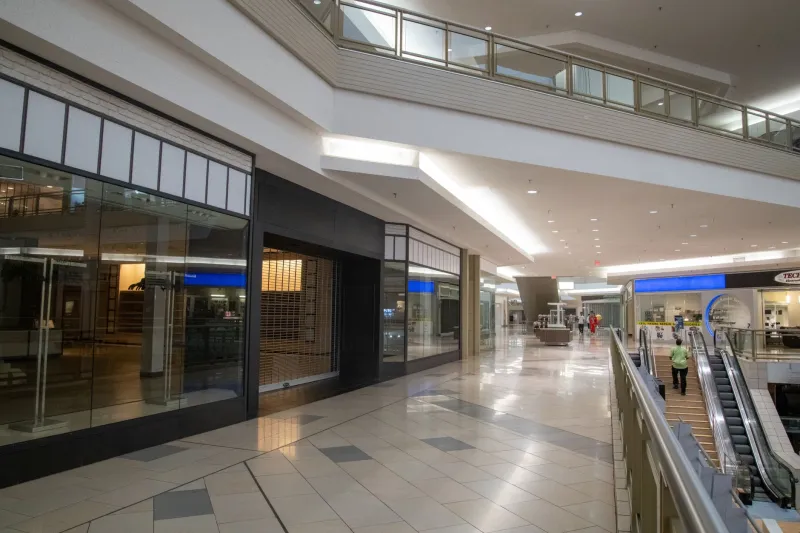
There's a Goodwill inside a half-dead mall in suburban Ohio that smells like carpet glue and 1997. The food court is mostly dark. A Spirit Halloween occupies what used to be a Sears. And yet, on a Saturday afternoon, the thrift store is packed — not with retirees or bargain hunters, but with people under twenty-five, flipping through VHS tapes and holding up obsolete electronics to the fluorescent light like they're reading bones.
This isn't nostalgia tourism. It's something stranger and more deliberate than that.
The Mall as Ruin, the Ruin as Signal
America's dead and dying malls have been eulogized so many times they've practically become a genre. Urban explorers photograph them. Economists cite them. Suburban parents mourn them. But Gen Z — a cohort that grew up with Amazon Prime and Spotify — has developed a genuinely different relationship with these spaces. They're not grieving the mall. They're excavating it.
The psychology here is worth sitting with. These are young people who have spent their entire conscious lives inside recommendation engines. Every platform they use — TikTok, YouTube, Spotify, even Google — is optimized to reduce friction and eliminate surprise. The algorithm doesn't want you to stumble. It wants to predict you.
A dead mall thrift store is the exact opposite of that. It's chaos dressed in polyester. Nobody curated this. Nobody A/B tested the placement of that broken Casio keyboard next to a box of Reader's Digest condensed novels. The inventory arrives in garbage bags and gets sorted by volunteers. The discovery is real because the disorder is real.
That's the signal Gen Z is tuning into.
What They're Actually Looking For
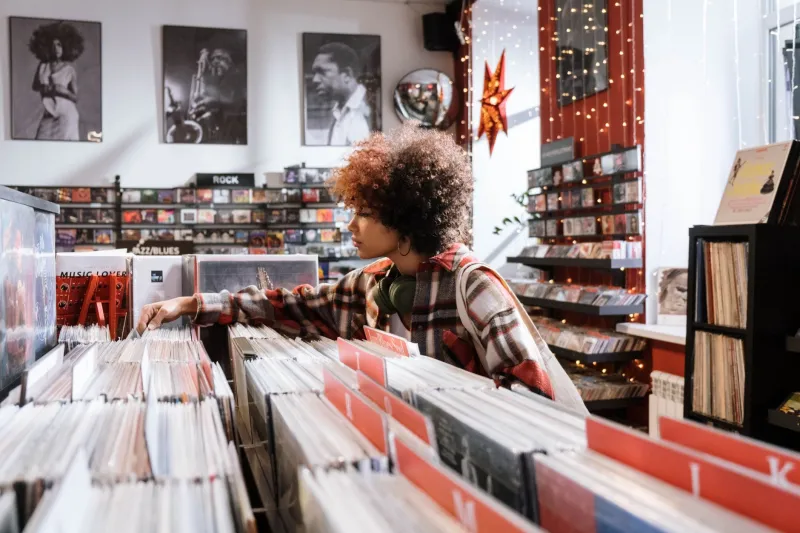
Ask anyone who makes regular runs to these places what they're hunting and the answers are fascinatingly eclectic. Obscure media is a big one — VHS tapes with handwritten labels, cassette mixtapes from strangers, LaserDiscs of movies that never made it to streaming, regional cable access recordings that exist nowhere else on earth. The kind of stuff that doesn't have a Wikipedia page.
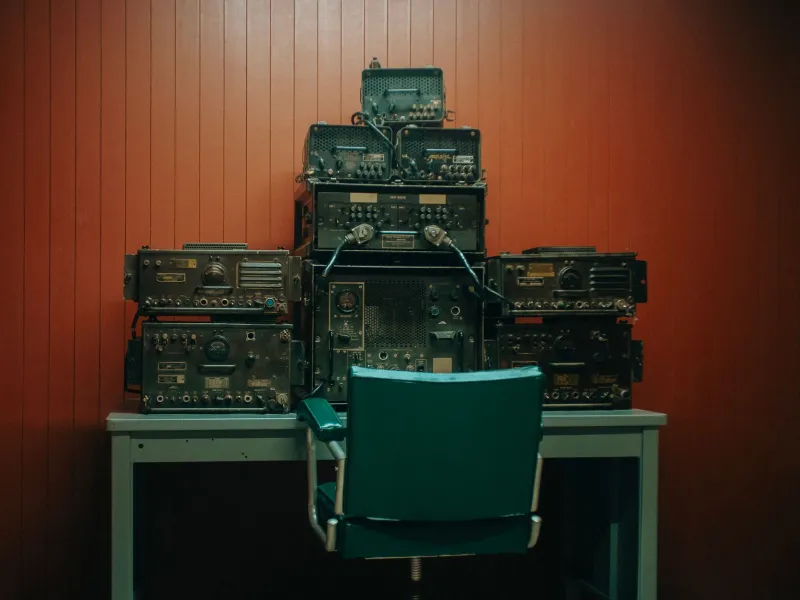
Vintage tech is another pull. Broken Walkmans, early digital cameras, weird niche gadgets that corporations made once and abandoned. There's an entire subculture around buying non-functional electronics for parts, or for the aesthetic, or just because the industrial design of a 1989 Panasonic boombox communicates something that no Bluetooth speaker ever will.
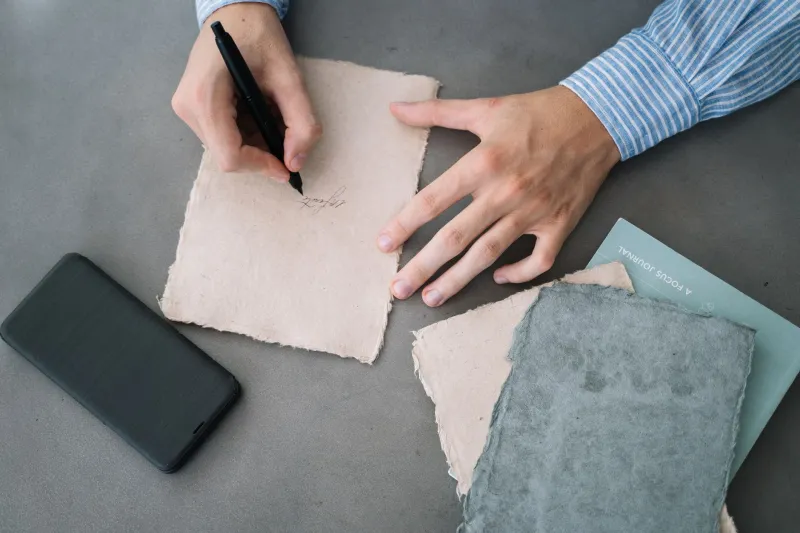
But the category that comes up most often, and the one that feels most distinctly fringe, is personal artifacts. Letters stuffed inside donated books. Photographs tucked behind frames. Journals. Handwritten recipe cards. The detritus of actual human lives that got swept into the donation stream when someone moved or died or just needed to clear out the basement. These objects carry a weight that no digital file can replicate. They arrived in the world without a content strategy.
Liminal Space as Counterculture
There's a reason the aesthetic of liminal spaces — empty airports, abandoned water parks, after-hours office buildings — resonates so hard with this generation. It's not just creepy internet content. It's a visual language for spaces that exist outside of active commercial intent. Spaces that capitalism forgot to optimize.
A dying mall is the ultimate liminal space in that sense. It was built to be a machine for consumption. Now the machine is broken, and in the breakdown, something interesting is growing. The thrift store that anchors these places becomes a kind of archaeological site — a place where the material culture of previous decades washes up without editorial intervention.
For young people who've been told their whole lives that everything worth finding is online, that discovery is a matter of the right search terms or the right algorithm, walking into that chaos and pulling out something genuinely unexpected feels almost transgressive. It's proof that the world is larger than your feed.
The Anti-Haul as Statement
It's worth noting what people are not doing in these spaces. They're not primarily reselling. The flip economy — buying thrift to sell on Depop or eBay — exists, obviously, but it's not what drives the pilgrimages to the half-dead malls. The people who show up week after week aren't running spreadsheets on profit margins. They're showing up because the act of physical, non-algorithmic discovery has become its own reward.
Some of them document their finds on social media, sure. But there's a meaningful difference between posting a photo of a weird VHS tape you found and buying something because an influencer told you it was rare. The former is sharing an experience. The latter is just a different kind of curation.
The dead mall thrift run is, in its own low-key way, a political act. It's a refusal to participate in the seamless, frictionless, personalized consumption loop that every major platform is engineered to create. You can't optimize your way to finding a handwritten letter from 1983 inside a donated copy of The Thorn Birds. That just happens to you, or it doesn't.
The Stores That Survived Know Something
Here's a detail worth paying attention to: the thrift stores inside dead malls are often the last businesses standing. Not because they're thriving in some conventional sense, but because their model is essentially immune to the forces killing everything around them. They don't need foot traffic from a healthy anchor tenant. They don't need a demographic that shops aspirationally. They just need donations and a door that opens.
In that survival there's a kind of accidental genius. While the mall dies around them — while the chain restaurants close and the cell phone kiosks fold and the department stores get converted into fulfillment centers — the Goodwill keeps going. It becomes the last node in a network that no longer exists. The lone frequency still broadcasting from a transmitter everyone else abandoned.
Gen Z, raised on the internet, trained to find the signal in the noise, is picking that up loud and clear.
The Find That Changes You
Every regular has a story. The woman in Columbus who found a box of Super 8 film reels that turned out to be someone's entire family history from the 1960s. The guy in Atlanta who bought a donated record crate and found, wedged in the back, a private press album from a band that had maybe pressed fifty copies. The teenager in Phoenix who pulled a journal from a bin and spent three weeks deciding whether to read it.
These stories circulate in Discord servers and small subreddits and group chats. They're the mythology of a subculture that doesn't have a name yet but knows exactly what it values: the unmediated encounter, the object that arrived without metadata, the discovery that nobody predicted for you.
In a cultural moment defined by the anxiety of the infinite scroll, the dead mall thrift store offers something radical. It offers the possibility of being genuinely surprised — of finding something that wasn't waiting for you, that didn't know you were coming, that exists completely outside the system trying to understand you.
That's not nostalgia. That's resistance. And it smells like carpet glue and 1997.