Dropping Off the Map: The Young Americans Choosing Friction Over Surveillance
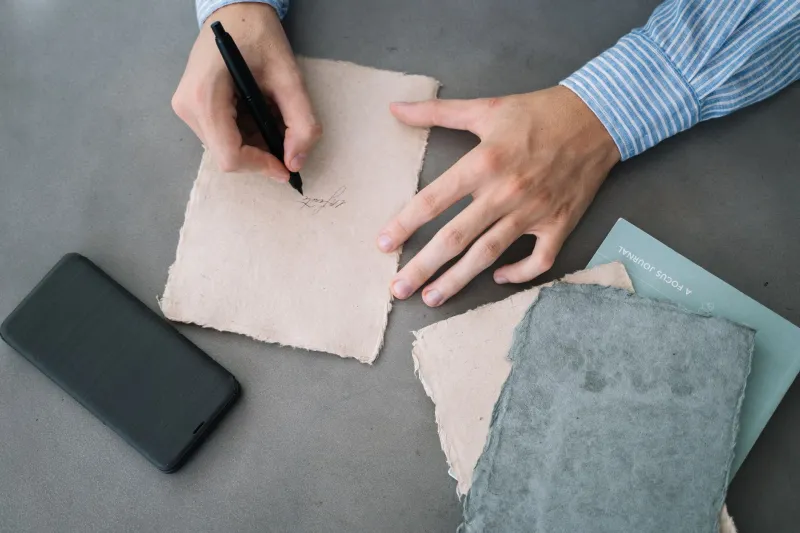
Somewhere in Portland, a 24-year-old named Dara is writing a letter by hand. Not because she can't afford a smartphone plan, not because she's romanticizing the past, and definitely not because she's posting about it for aesthetic points. She's doing it because nobody can harvest the data from a piece of paper sealed inside an envelope.
"There's no engagement metric on a letter," she says. "No one's training a model on what I wrote to my friend in Cincinnati. That's the whole point."
Dara is part of something that doesn't have a clean name yet — a loosely organized, fiercely intentional movement of young people who are actively choosing low-tech, decentralized communication over the frictionless digital infrastructure that surveils their every interaction. Call them bandwidth rebels. Call them analog resisters. Call them whatever you want, because they're not waiting around for a brand deal to define them.
This Isn't Your Grandma's Nostalgia Trip
Let's get one thing out of the way immediately: this isn't about vinyl records or film photography as personality accessories. The people building these alternative communication networks aren't cosplaying the past. They understand exactly how the internet works — many of them work in tech, study computer science, or grew up as power users of the very platforms they're now sidestepping.
That knowledge is precisely what radicalized them.
"I used to work for a startup that ran targeted ad campaigns," says Marcus, 27, who now helps coordinate a mesh network collective in Chicago's Logan Square neighborhood. "I know what gets collected, how it gets sliced, what inferences get made. Once you see that machinery from the inside, the idea of sending a casual text feels genuinely gross."
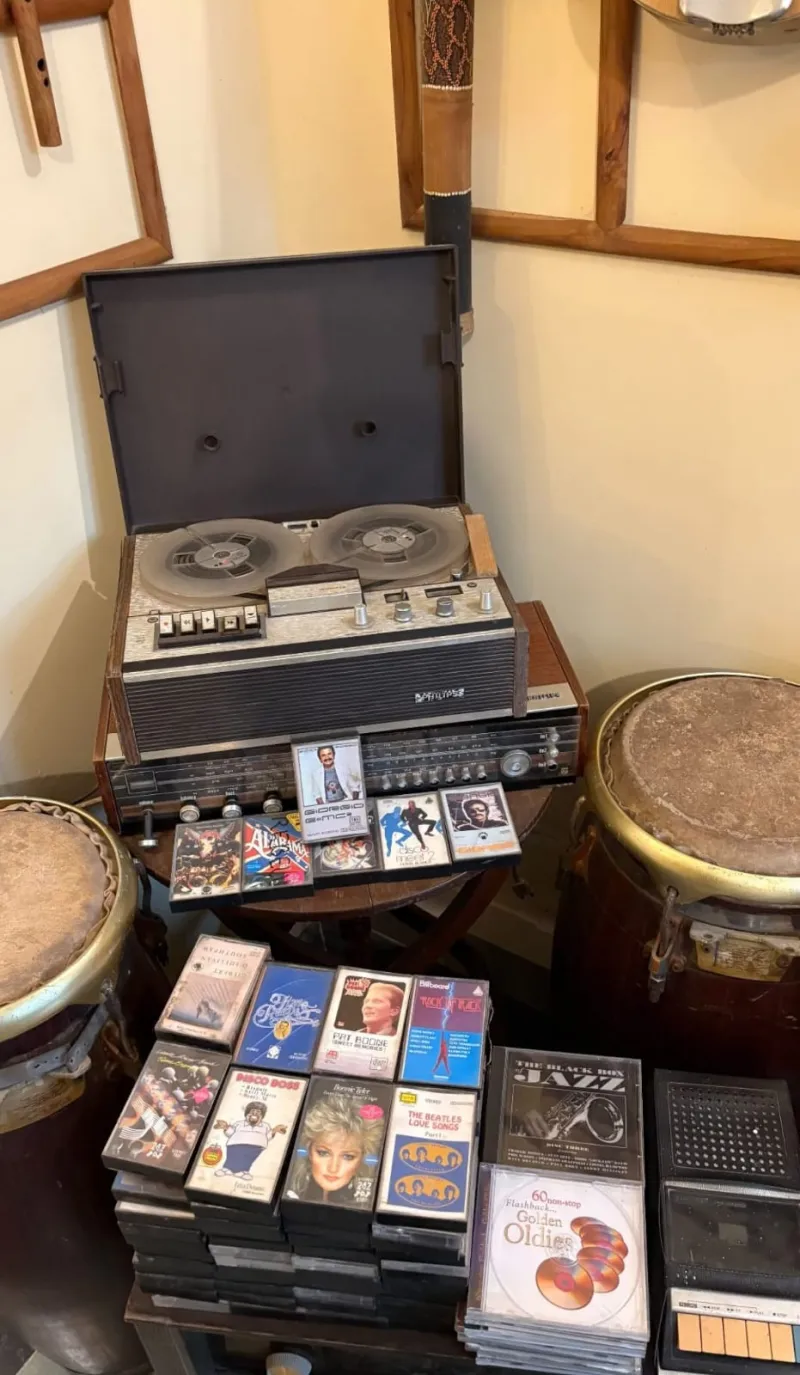
Mesh networks — decentralized systems where devices connect directly to each other rather than routing through corporate servers — have become a particular obsession within these circles. Apps like Meshtastic, which runs on affordable LoRa radio hardware, allow small communities to pass messages across a neighborhood grid that exists entirely outside the internet. No ISP. No data broker. No terms of service.
Setting one up isn't plug-and-play. It requires research, hardware sourcing, and a willingness to troubleshoot. That friction, counterintuitively, is part of the appeal.
"The difficulty is a feature," Marcus explains. "If it were easy and seamless, it would mean someone had already monetized it."
Letters as Infrastructure
Not everyone in this movement is soldering circuit boards. For plenty of participants, the resistance is slower, quieter, and considerably more handwritten.
Letter-writing collectives have been quietly multiplying across American cities for the past few years, functioning less like pen pal clubs and more like intentional communication networks with a shared political consciousness. Groups in Austin, Philadelphia, and Minneapolis have organized around the explicit premise that postal mail is, paradoxically, one of the most private mass communication systems still available to ordinary people.
The USPS has its own surveillance complications — mail covers, for instance, are a real thing — but compared to the granular behavioral profiling enabled by email platforms and messaging apps, a physical letter is practically a cipher.
"Email is not private. iMessage is not private. WhatsApp is definitely not private," says Priya, a 22-year-old in Philadelphia who helps run a letter circle with about forty members across the Northeast. "A letter requires someone to physically intercept it, open it, and read it. That's a different threat model entirely."
Priya's group communicates almost entirely through mail for anything personal or politically sensitive, reserving digital channels for logistics only. New members receive a handwritten welcome letter with the group's informal guidelines. There's no app to download, no account to create, no algorithm deciding what you see.
"It sounds slow until you realize that 'fast' communication has just been repurposed as a surveillance vector," she says.
The Political Wiring Underneath
It would be easy to dismiss this as paranoia — the kind of overcautious behavior that sounds exhausting from the outside. But the participants are quick to contextualize their choices within a broader political reality.
Data brokers legally sell detailed profiles on American consumers to corporations, law enforcement agencies, and political operatives. Tech companies have repeatedly demonstrated that user privacy is subordinate to revenue. And algorithmic systems don't just observe behavior — they actively shape it, nudging users toward content that maximizes engagement regardless of its accuracy or social cost.
For a generation that came of age watching that machinery operate in plain sight, opting out isn't paranoia. It's a rational response.
"I think older generations sometimes see this as extremism or technophobia," says Dara. "But we grew up watching what these systems actually do. We watched elections get manipulated. We watched mental health data get sold. We watched people get fired because an algorithm flagged something they posted at seventeen. Choosing friction is just choosing not to be a product."
There's a class dimension here too, one that participants are willing to name directly. High-tech surveillance infrastructure disproportionately targets low-income communities, communities of color, and political organizers. Building communication systems outside that infrastructure isn't just a personal lifestyle choice — for some communities, it's a practical safety measure.
Building the Signal They Want
What makes this movement distinct from simple digital abstinence is the constructive energy behind it. These aren't people just deleting apps and going silent. They're building things — physical networks, correspondence communities, zine distribution chains, shortwave listening groups — that create genuine alternatives rather than just voids.
Marcus's mesh network in Logan Square now connects about thirty households and a handful of local businesses. They use it to share neighborhood updates, coordinate mutual aid logistics, and occasionally just chat. It's not Instagram. It's not even close to Instagram. But it works, and it belongs entirely to the people using it.
"We own this," he says, with a plainness that lands harder than any manifesto. "There's no company that can change the terms on us. There's no investor who can pivot us into something else. It's ours."
Priya's letter circle has started experimenting with encrypted physical drops — sealed envelopes left at agreed-upon locations for pickup, a practice that feels equal parts espionage thriller and neighborhood potluck.
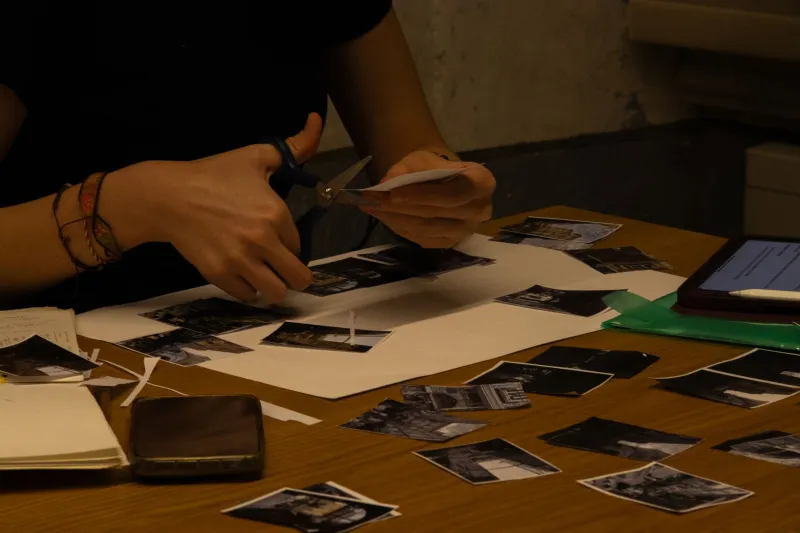
Dara is planning a zine about the letter-writing collective, which she'll distribute through independent bookshops and record stores. Printed. Physical. Untraceable by design.
The Frequency No Algorithm Can Find
There's something almost poetic about the fact that the most radical communication happening among young Americans right now is also the slowest. While the rest of the attention economy screams for immediacy, these communities are deliberately choosing delay, physical presence, and the kind of obscurity that the surveillance economy simply wasn't built to process.
The bandwidth rebels aren't waiting for a better platform or a more ethical tech company. They've already decided that the infrastructure itself is the problem — and they're building around it, one letter, one mesh node, one sealed envelope at a time.
The signal they're transmitting isn't loud. But it's entirely their own.