Dial In, Hang On: The Party Lines Where America Still Talks to Strangers
The voicemail greeting is almost a minute long. A warm, unhurried voice explains the rules — be kind, no harassment, press zero if you want to post your own message, hit star-star to just listen. Then the recording ends and you're dropped into the middle of a conversation that has apparently been running, in some form, since before the web existed.
Welcome to the party line. Not the conference call, not the Discord server — the actual, dial-in, touch-tone relic where strangers across the country still pick up the phone to hear other humans breathing, laughing, and occasionally crying in real time.
What Even Is a Chatline Anymore?
For the uninitiated: chatlines and party lines are phone numbers, usually local or toll-free, that connect multiple callers into a shared space. Some are simple bulletin boards of voicemails you can reply to. Others are live conference rooms that never close. They peaked in the late '80s and '90s — think dating lines, teen lines, the notorious adult services with per-minute billing — and were supposed to die with dial-up.
They didn't. A scattered network of independent line owners still runs them on VoIP backends and cheap SIP trunks, keeping the old numbers alive. Some are free, funded out of pocket by a retired telecom worker in Ohio. Others charge a few dollars a month, which barely covers the server bill. The technology underneath modernized; the experience didn't, and that's exactly the point.
The Regulars
Spend a few evenings listening and a cast emerges. There's the trucker who checks in from rest stops in Nevada and Nebraska, a familiar rumble in a room full of strangers. There's the retired schoolteacher in rural Kentucky whose phone is her only daily conversation. There's the insomniac in Sacramento who just wants to hear voices while the house is dark.
Nobody here is performing. There are no follower counts, no clout, no algorithm deciding who gets heard. You press a button, you talk, and someone on the other end of a copper-era ritual says "hey, welcome back."
One regular, a man in his sixties who asked to go by his first name only, put it plainly: "My kids are in three different time zones. This line? Somebody's always home."
The Gen Z Detour
Here's the twist nobody predicted: young people are showing up. Not many, but enough that line owners mention it unprompted. They arrive through TikTok clips and Reddit threads about "analog weirdness," half expecting a joke, and some of them stay.
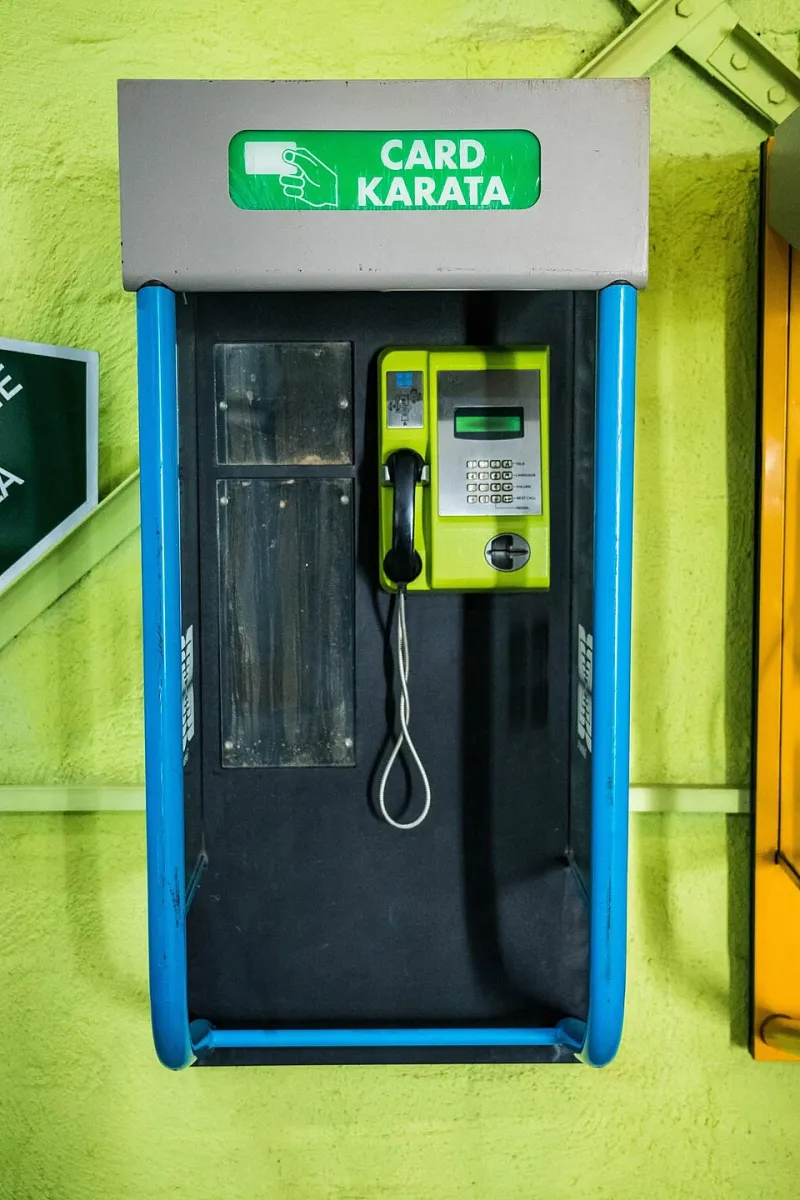
It tracks with everything else we cover at Fringe Signal — the payphone pilgrimages, the cassette revival, the shortwave kids. A generation raised on optimized, monetized, surveillance-grade socialization is discovering that a phone call with strangers has no feed, no profile, no record. You can be a voice without being a brand. You can log off by simply hanging up.
One twenty-something who started calling a Midwest-based line last year described it as "the least gamified thing I do all week." She calls on her commute. Sometimes she talks, mostly she listens. "It's like a porch I didn't know I had."
The People Paying the Phone Bill
Running one of these lines is a labor of stubbornness. The owners — often one-person operations — spend evenings moderating, updating greetings, banning the occasional bad actor, and eating costs that never get recouped. A line owner in the Southeast told us he's been maintaining his number for over two decades, through the death of the local phone company that originally hosted it and multiple migrations to newer infrastructure.
Why keep going? His answer was almost embarrassed: "People depend on it. You don't tear down the last bench in the park."
Static, but Human
There's a temptation to frame chatlines as nostalgia, and some of it is. But the pull isn't retro — it's the absence of everything we've come to resent about digital community. No metrics. No archive. No permanent record of your worst night. The conversation exists only while the line is open, which makes showing up feel like a choice instead of a habit.
The party line won't trend. It won't scale. It's a phone number passed around like a secret, humming in the background of American nights, one dial tone at a time. And for the people on it, that's more than enough.